

Gastric Sleeve and Bypass: The Ultimate Weight Loss Guide
Obesity is a complex medical condition that affects physical health, emotional well-being, and overall quality of life. For many people, traditional diets and exercise programs fail to deliver lasting weight loss because they do not address the underlying biological and hormonal factors. Bariatric procedures such as gastric sleeve and gastric bypass have emerged as powerful, medically proven solutions for long-term weight loss and improved health.
What Is Gastric Sleeve Surgery?
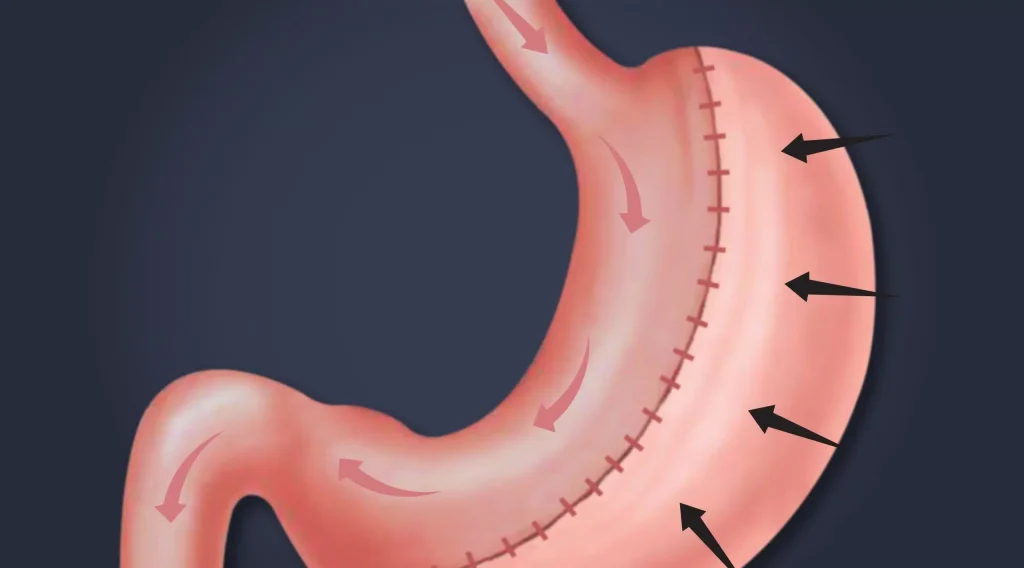
Gastric sleeve surgery, also known as sleeve gastrectomy, involves removing around 70 to 80 percent of the stomach and reshaping it into a narrow tube. This significantly limits the amount of food that can be consumed and reduces the production of hunger-related hormones such as ghrelin.
Gastric Sleeve and Bypass: The Ultimate Weight Loss Guide
Key Benefits of Gastric Sleeve
Patients typically experience significant and steady weight loss, reduced appetite, improved portion control, and noticeable improvement in health conditions such as type 2 diabetes, high blood pressure, and sleep apnea. The procedure is relatively straightforward with shorter recovery time compared to more complex bariatric surgeries.
What Is Gastric Bypass Surgery?
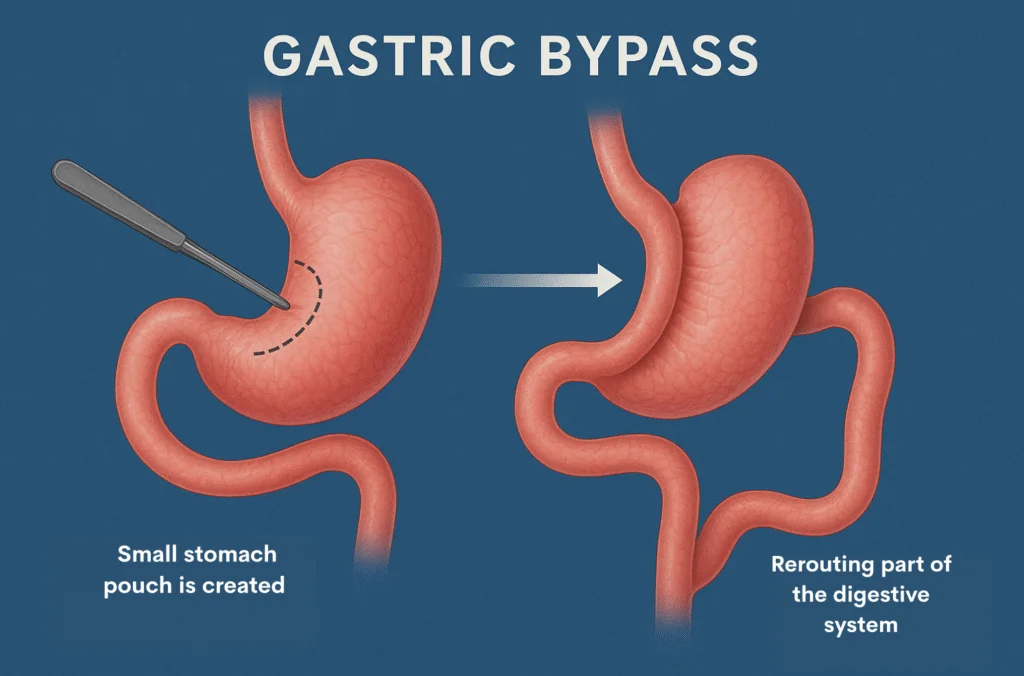
Gastric bypass, also called Roux-en-Y gastric bypass, creates a small pouch at the top of the stomach and reroutes a portion of the small intestine. This changes how the body absorbs calories and nutrients while also altering hormonal responses that regulate hunger and satiety.
Key Benefits of Gastric Bypass
This procedure often results in faster and greater weight loss compared to other surgical options. It is particularly effective in improving or resolving type 2 diabetes, reducing cholesterol levels, and supporting long-term weight maintenance. Gastric bypass also helps limit cravings and improve blood sugar control.
Gastric Sleeve vs Gastric Bypass: Key Differences
Gastric sleeve mainly works through restriction by reducing stomach size, while gastric bypass combines restriction and malabsorption by changing the digestive pathway. Gastric bypass typically produces faster weight loss but may require lifelong vitamin and mineral supplementation due to reduced nutrient absorption. Gastric sleeve is often recommended for patients with moderate obesity, while gastric bypass may be more suitable for those with severe obesity or significant metabolic conditions.
Who Is a Candidate for These Surgeries?
Ideal candidates for gastric sleeve or gastric bypass usually have a body mass index of 35 or higher, or a BMI of 30 with obesity-related health conditions. Patients should have made previous attempts at weight loss and be committed to long-term lifestyle changes including nutrition, exercise, and follow-up care.

Gastric Sleeve and Bypass: The Ultimate Weight Loss Guide
Long-Term Success After Bariatric Surgery
The success of both gastric sleeve and gastric bypass depends heavily on lifestyle adjustments. Patients who follow a structured diet plan, maintain regular physical activity, and attend follow-up appointments typically achieve the most sustainable weight loss and health improvements.
Start Your Weight Loss Journey with Expert Care
Choosing the right surgical option requires expert guidance and personalized evaluation. At Dr. Nazim Al Rifai’s clinic, patients receive comprehensive care, from consultation through post-surgery support. With the right procedure and professional support, long-lasting weight loss and a healthier life are within reach.