

Weight Loss: Gastric Sleeve vs Bypass Surgery
For individuals struggling with obesity, achieving lasting weight loss through diet and exercise alone can be extremely challenging. Bariatric surgery provides a medically proven solution, and among the most popular procedures are gastric sleeve and gastric bypass surgery. Both procedures are designed to support sustainable weight loss and improve overall health, but they work in different ways. Understanding the differences can help patients make an informed choice.

Weight Loss: Gastric Sleeve vs Bypass Surgery
Gastric Sleeve Surgery
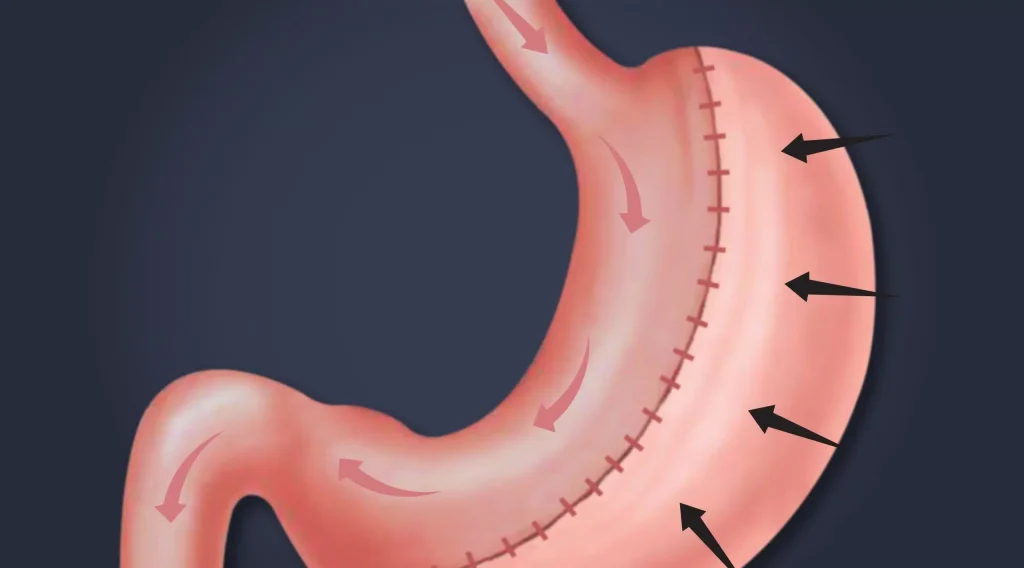
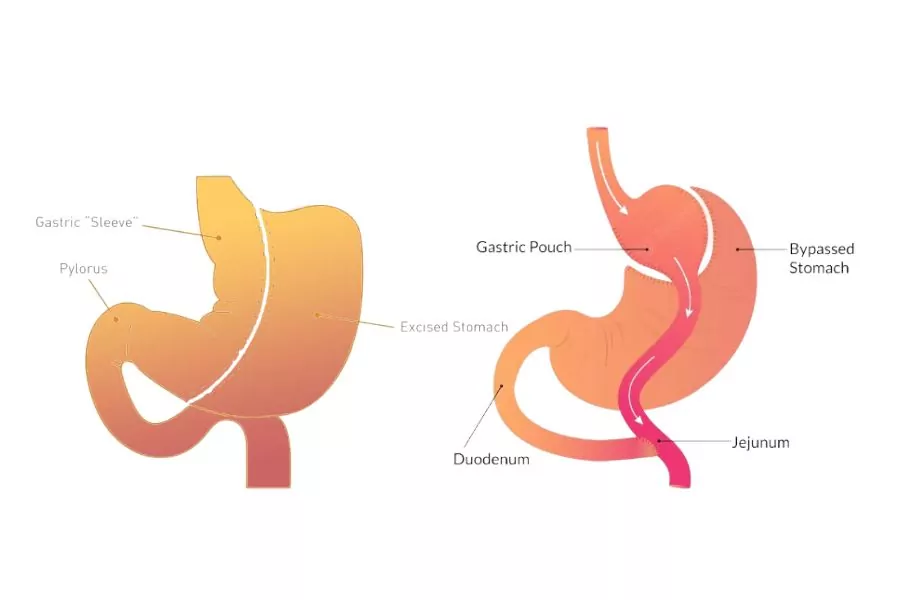
Also known as sleeve gastrectomy, gastric sleeve surgery involves removing a significant portion of the stomach, leaving a narrow, sleeve-shaped stomach. This procedure restricts food intake and reduces hunger by lowering the production of the hunger hormone ghrelin.
Benefits of Gastric Sleeve
Significant weight loss (60–70% of excess weight on average)
Reduced appetite and improved portion control
Lower risk of complications compared to more complex surgeries
Improvement in obesity-related conditions such as type 2 diabetes, hypertension, and sleep apnea
Simpler surgical procedure with shorter recovery time
Gastric Bypass Surgery
Gastric bypass, or Roux-en-Y gastric bypass, creates a small stomach pouch and reroutes part of the small intestine. This reduces calorie absorption and changes the body’s hormonal signals, helping patients feel full faster and burn calories more efficiently.
Benefits of Gastric Bypass
Higher average weight loss (70–80% of excess weight)
Rapid improvement in metabolic conditions such as type 2 diabetes
Long-term maintenance of weight loss
Hormonal changes that naturally reduce appetite and cravings
Effective for patients with severe obesity or complex health conditions
Key Differences Between Gastric Sleeve and Bypass
Surgical Complexity: Gastric bypass is more complex and may have a slightly higher risk of complications.
Weight Loss Rate: Bypass often results in faster initial weight loss.
Nutrient Absorption: Bypass can affect nutrient absorption, requiring lifelong vitamin supplementation, while sleeve gastrectomy has fewer absorption issues.
Best Candidates: Sleeve is often recommended for moderate obesity, whereas bypass may be ideal for patients with severe obesity or uncontrolled diabetes.
Weight Loss: Gastric Sleeve vs Bypass Surgery
Choosing the Right Procedure
Deciding between gastric sleeve and bypass surgery depends on several factors, including BMI, medical conditions, lifestyle, and personal preferences. Consulting a bariatric specialist like Dr. Nazim Al Rifai can help determine which procedure will deliver the best results for your weight loss journey.
Conclusion
Both gastric sleeve and gastric bypass surgery offer life-changing opportunities for patients struggling with obesity. They are proven to provide sustainable weight loss, improve overall health, and enhance quality of life. With the guidance of an experienced bariatric surgeon, you can make the right choice to achieve your weight loss goals and maintain lasting results.