
Transform Your Life with Bariatric Surgery: Weight Loss Through Gastric Sleeve and Gastric Bypass
Introduction
Obesity is more than just excess weight — it’s a serious health condition that affects nearly every part of your life. For many individuals, conventional diet and exercise efforts are not enough. That’s where weight loss surgery like gastric sleeve or gastric bypass can make a transformative difference. Under the care of Dr. Nazim Al Rifai, you can explore advanced bariatric solutions tailored to your health goals.
Transform Your Life with Bariatric Surgery: Weight Loss Through Gastric Sleeve and Gastric Bypass
What Is Weight Loss Surgery?
Bariatric surgery refers to medical procedures that reduce the size of the stomach (and sometimes reroute the intestines), helping patients lose weight by limiting food intake, reducing hunger signals, and changing how calories/hormones are absorbed. The two most common and effective surgeries are gastric sleeve (sleeve gastrectomy) and gastric bypass (Roux-en-Y gastric bypass)
Gastric Sleeve: A Simpler Route to Weight Loss
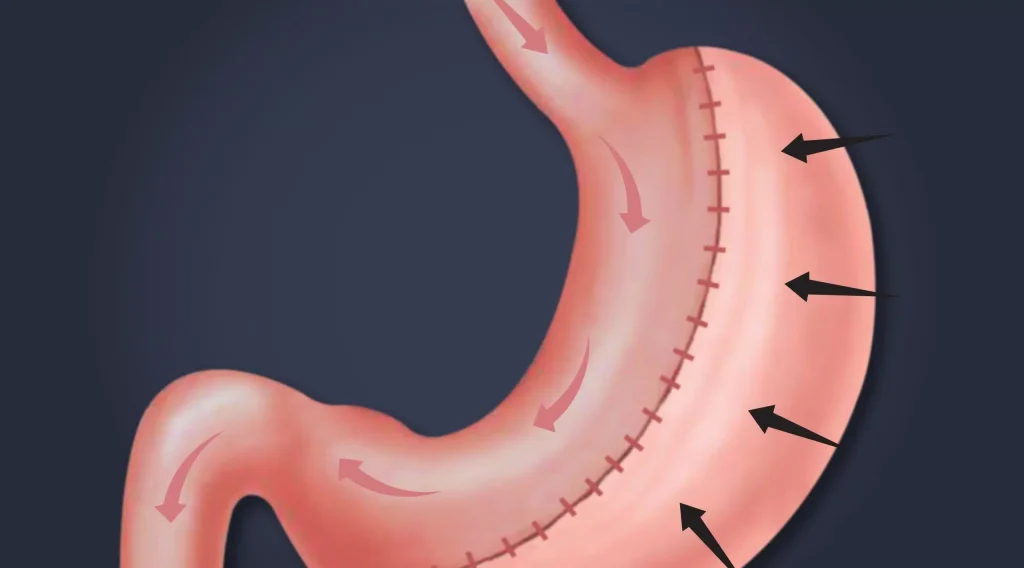
How it works: In a sleeve gastrectomy, about 75–80% of your stomach is removed, creating a narrow tube or “sleeve.”
Weight loss potential: Patients typically lose around 60–70% of their excess weight within 12–18 months.
Hormonal impact: Because most of the ghrelin-producing part of the stomach is removed, hunger often decreases.
Risks and benefits:
Lower risk of nutrient absorption problems compared to bypass.
Less invasive, shorter recovery.
Irreversible — once part of the stomach is removed, it cannot be restored.
There’s a potential for acid reflux to worsen.
Gastric Bypass: More Comprehensive Weight Loss
How it works: Gastric bypass surgery involves creating a small stomach pouch and rerouting part of the small intestine so that food bypasses a section of your digestive tract.
Weight loss potential: On average, people achieve 65–80% of excess weight loss post-surgery.
Metabolic benefits: This surgery often leads to greater improvements in type 2 diabetes, blood pressure, and other obesity-related conditions.
Risks and trade-offs:
Higher rate of nutrient deficiencies because of reduced absorption.
Risk of “dumping syndrome,” which can cause nausea or diarrhea after eating sugary foods.
Slightly more complex surgery, with a longer recovery time.
Requires lifelong vitamin supplementation and close follow-up.
How to Choose: Sleeve or Bypass?
Deciding between gastric sleeve and bypass depends on many factors:
Weight Loss Goals
If you aim for very aggressive weight loss and have a higher BMI, bypass may offer more dramatic results.
If you want steady weight loss with fewer risks, a sleeve might be a better fit.
Health Conditions
Patients with type 2 diabetes or severe reflux (GERD) may benefit more from bypass because of its metabolic effects.
For those worried about nutrient deficiencies or who prefer a simpler surgery, sleeve offers an advantage.
Surgical Risk and Recovery
Sleeve surgery is less complex and has a slightly lower complication rate.
Bypass is more technically demanding but can lead to faster initial weight loss.
Long-Term Lifestyle Commitment
Both surgeries require major lifestyle changes — from diet modification to regular follow-up and supplementation.
With bypass, you must commit to lifelong vitamin and mineral supplementation to avoid deficiencies.
Even after sleeve surgery, some patients may need future revisions or conversion if weight regain or reflux occurs.
Why Choose Dr. Nazim Al Rifai for Your Weight Loss Journey
At Dr. Nazim Al Rifai’s clinic, you’re not just getting surgery — you’re on a personalized transformation path. With years of expertise in bariatric procedures, Dr. Al Rifai offers:
Comprehensive pre-surgery evaluation
Individual consultation to decide between gastric sleeve or gastric bypass based on your health profile
Postoperative support: nutritional guidance, follow-up appointments, and long-term monitoring
A patient-centered approach: focusing not only on weight loss, but sustainable health improvements

Transform Your Life with Bariatric Surgery: Weight Loss Through Gastric Sleeve and Gastric Bypass
Realistic Outcomes: What to Expect from Weight Loss Surgery
Short-term results: Most patients see rapid weight loss during the first 6–12 months.
Long-term control: Many maintain a significant portion of this weight loss for years if they follow lifestyle changes.
Improved health: Beyond shedding kilos, patients often experience resolution or improvement of obesity-related conditions like diabetes, hypertension, sleep apnea, and more.
Risks to monitor: Nutritional deficiencies, acid reflux (especially after sleeve), dumping syndrome, and surgical complications are possible.
Lifelong commitment: Success depends on your dedication to dietary changes, regular follow-up, and sometimes supplements.
Conclusion
Bariatric surgery — whether gastric sleeve or gastric bypass — offers one of the most effective paths to long-term weight loss and improved metabolic health. At Dr. Nazim Al Rifai’s clinic, you will receive expert care, personalized surgical planning, and robust aftercare to support lasting transformation.
If you’re ready to take the next step on your journey to health, contact Dr. Nazim Al Rifai today for a consultation. Your future self will thank you.