

Weight Loss with Restrictive Bariatric Surgery
Introduction
Restrictive bariatric surgery is one of the most effective and scientifically proven methods for long-term weight loss in people with obesity. Unlike malabsorptive surgeries, which alter how your body absorbs food, restrictive surgeries mainly reduce the size of the stomach. This limits how much you can eat at one time, helping you feel full sooner and consume fewer calories.
What Is Restrictive Bariatric Surgery?
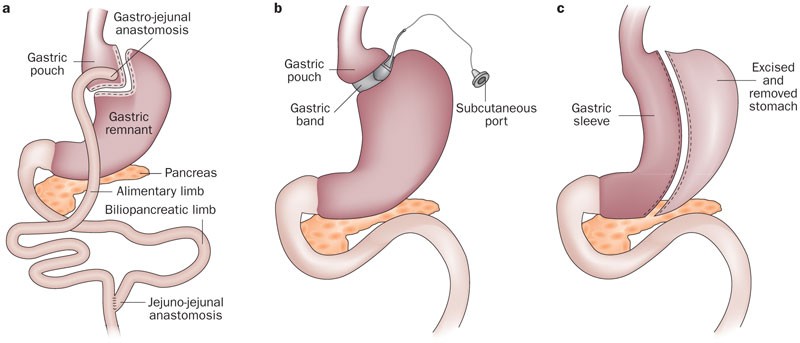
Restrictive bariatric surgery focuses on physically limiting food intake by creating a smaller stomach pouch. This category includes popular procedures such as:
Gastric Sleeve (Sleeve Gastrectomy)
Adjustable Gastric Banding
Vertical Banded Gastroplasty
Each method aims to reduce the stomach’s capacity, leading to gradual and sustainable weight loss.
Weight Loss with Restrictive Bariatric Surgery
How It Works
After a restrictive bariatric procedure, your stomach can hold much less food—sometimes as little as 100–150 milliliters. This restriction:
Helps you feel full faster
Reduces daily calorie intake
Improves insulin sensitivity
Encourages long-term lifestyle changes
When combined with healthy eating and regular physical activity, patients can lose up to 60–70% of their excess body weight within the first 18–24 months after surgery.
Benefits of Restrictive Bariatric Surgery
Significant weight loss with reduced surgical risk compared to malabsorptive types
Improvement in obesity-related conditions such as type 2 diabetes, hypertension, and sleep apnea
Better quality of life and enhanced self-esteem
No intestinal rerouting, which minimizes nutritional deficiencies
Risks and Considerations
Like any surgical procedure, restrictive bariatric surgery carries some potential risks, including:
Nausea or vomiting due to overeating
Nutritional deficiencies (if dietary guidelines are not followed)
Risk of infection or bleeding
Possible need for revision surgery in some cases
Following post-surgery dietary plans, attending follow-up appointments, and maintaining an active lifestyle are essential for long-term success.

Weight Loss with Restrictive Bariatric Surgery
Who Is a Good Candidate?
Restrictive bariatric surgery is typically recommended for individuals who:
Have a BMI over 40, or over 35 with obesity-related conditions
Have not achieved significant weight loss through diet and exercise
Are committed to lifestyle changes after surgery
Conclusion
Restrictive bariatric surgery can be a life-changing solution for patients struggling with severe obesity. It promotes healthy, sustainable weight loss and helps prevent many chronic diseases. However, success depends on long-term commitment to nutrition, exercise, and medical guidance.